The new European research and innovation project ResPECT, aims to develop a trustworthy, multilingual and GDPR-compliant AI Assistant: to improve patient care.
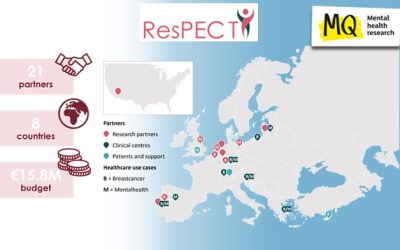
Developing a new European AI assistant to improve patient care
read more


OCD is comprised of obsessions and compulsions although the patterns of thoughts and behaviour differs between people.
Fear of causing or failing to prevent harm
Worrying that they or someone else may get harmed or they have already been harmed.
Intrusive thoughts, images and impulses
People here may experience unwanted forbidden or taboo thoughts related to aggression, sexual or religious subjects. For example, thoughts that they might be a dangerous person, thoughts against their religion, or intrusive sexual thoughts related to children and family members.
Fear of contamination
As some people may fear contamination through germs and dirt, they may avoid situations such as touching objects or shaking hands.
Fears of worries related to order and symmetry
A compulsion to ensure everything feels 'just right'. People may find themselves working on cleaning assiduously to make sure everything is spotless.
Rituals
Rituals are a set pattern of behaviours with a clear starting and end point. Examples of rituals include touching things in a particular order or at a certain time and arranging things in a certain way. If these rituals get interrupted, they may feel the need to start again.
Checking
People with OCD may have a compulsion to keep checking things such as locks, security systems, or ovens. Checking their body for contamination or making sure that intrusive thoughts did not happen. The constant need for checking can disrupt everyday tasks such as attending appointments and can impact their relationships.
Correcting thoughts
Correcting thoughts may consist of replacing intrusive thoughts with another image, repeating phrases in their head, repeatedly counting to a particular number.
Reassurance
People with OCD may have the constant need to ask others to reassure them that everything is alright.
Though there are no clear reasons, researchers believe there are several theories as to how OCD can develop. As with many mental health conditions, OCD is likely to be caused by a combination of factors. These include:
Researchers have shown that people with OCD have altered connections of the frontal cortex exhibiting subcortical structures in the brain, which leads to the changed behaviours.
Studies with twins and other families have shown that people have a higher risk of developing OCD if they have a first-degree relative who already has it.
Researchers believe that personality traits such as neat, methodical people with high standards are more vulnerable to develop OCD.
There have been studies conducted that show a correlation between childhood trauma and OCD symptoms. Those who have experienced painful childhood experiences, trauma or bullying may use obsessions and compulsions to cope with anxiety.
There are 2 primary treatments: Psychological therapy and Medication. These may be used in combination.
ERP - Exposure and Response Prevention
A type of CBT where they are exposed to situations that trigger compulsions, but then are prevented from the usual compulsive action. For example, being exposed to dirty objects and being prevented from washing their hands.
SSRI - Selective Serotonin Reuptake Inhibitors
Selective Serotonin Reuptake Inhibitors (SSRI) are psychiatric drugs that change the balance of chemical messengers (neurotransmitters) in the brain, which can help reduce OCD symptoms.
Depending on their age here are some of the medications used to treat OCD:

It is important to gain a better understanding of OCD in order to get the best treatment and support. Here are links to more information and advice about symptoms, diagnosis, and help available:
Reaching out for help can relieve stressful and overwhelming symptoms. To find the right support and help them, here are helpful services:
MQ funds a number of different studies that cover OCD. Here are some of the recent findings:
Dr Susanne Ahmari is using optogenetics to investigate brain circuits involved with OCD. By watching how brain cells interact, Susanne hopes to gain a better understanding of the condition and contribute to effective treatments.
Want to see more of our mental health research? See how our world-class researchers are working tirelessly to better understand, diagnose and treat mental illness.
The new European research and innovation project ResPECT, aims to develop a trustworthy, multilingual and GDPR-compliant AI Assistant: to improve patient care.
People living with severe mental illness already face significant inequalities in physical health. New research is helping us better understand one important part of this picture: why infections lead to hospital admissions more often in this group, and why outcomes can be worse.
People living with severe mental illness already face huge health inequalities. Now, new research led by MQ researcher Dr Amy Ronaldson shows that this group is also significantly more likely to die from common infections.