The new European research and innovation project ResPECT, aims to develop a trustworthy, multilingual and GDPR-compliant AI Assistant: to improve patient care.
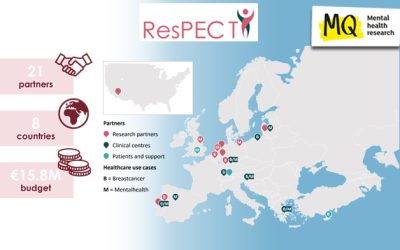
Developing a new European AI assistant to improve patient care
read more


Suicide is the act of ending your own life with intent.
Before suicide, a person may experience severe depression and/or suicidal feelings. Suicidal feelings are thoughts about ending your life or feeling that others would be better off without you. These suicidal feelings can lead to thoughts about ways to make plans around taking your own life.
It’s important to remember that though these feelings are temporary, and with the right help and support you can get through it.
By recognising signs and symptoms of suicidal thoughts, people will be able to help others and save one another. It is important to recognise these symptoms and direct the person to the right support. Everyone reacts differently to suicidal thoughts and experiences, but here are the signs that someone may have suicidal thoughts:
By funding research we can transform what it means to experience mental illness, advancing treatments and improving the lives of millions of people.
Your donation spent on research projects at some of the world's top institutions. You will be supporting studies in psychology, neuroscience, data science, sociology, psychiatry and more.
With your help, we can find solutions for people living with depression, PTSD, anxiety, eating disorders and psychosis both now and in the future.
There are many reasons as to why you may start to feel suicidal, typically, particular difficulties that you encounter in life. Here are some examples of common causes:
Long-term physical pain and illness or mental health conditions such as depression, bipolar disorder or schizophrenia may make a person more likely to have suicidal thoughts.
If you have experienced any form of bullying, discrimination, or any form of abuse such as domestic, sexual or physical abuse. Perhaps cultural pressure such as a forced marriage, or during pregnancy, childbirth or postnatal depression. All these events could lead to having suicidal thoughts.
Losing a loved one through death, or the end of a relationship may lead to feelings of overwhelming sadness and worthlessness.
Struggles with housing such as being homeless, having financial problems, being in prison, or adjusting to big changes such as retirement may lead to thoughts of hopelessness and suicidal thoughts.
Research has shown that side effects of medication such as antidepressants, antipsychotic medication and mood stabilisers could increase the chances of suicidal feelings.
Helplines and listening services provide information and confidential support when you need it. This may help you with the overwhelming feelings you are facing and help you to recover.
Samaritans: Telephone Number - 116 123
Provides 24 hours helpline offering emotional support for people who are experiencing feelings of distress or despair and thoughts that lead to suicide.
SOS Silence of Suicide: Telephone Number - 0300 1020 505
A safe place for people who need emotional support, understanding, compassion and kindness.
The OLLIE Foundation: This foundation provides confidential help and advice to young people, and anyone worried about young people. It delivers a number of training programs, mental health support sessions, all free for young people.
Peer support aims to combat loneliness by bringing together people who have had similar experiences to support each other. This can be face-to-face, via telephone or text messages.
CBT - Cognitive Behavior Therapy: Therapy such as CBT where someone can explore their thoughts, feelings and behaviour can help them understand why they are experiencing suicidal feelings. They will also help devise a plan about ways to resolve these feelings.
Crisis services give help and support during a mental health crisis on short notice. Services such as Crisis Resolution and home treatment (CRHT) teams, and Crisis House offer this support.

If you or someone else, is about to take their own life, make sure to reach out for immediate help:
Information and advice can help you gain a better understanding of suicide, understanding the disorder will ensure you make informed decisions of where to get help as well as treatments to use.
Helplines and listening services provide a safe, confidential space to talk about your thoughts and feelings. This may help relieve distress and pain that you may be experiencing right now:
The following services provide a place where you can talk about specific struggles and experiences you are going through, if other services are not as helpful:
MQ Mental Health Research funds a number of different studies that cover suicide. Here are some of the recent findings:
Existing evidence in the field of young people with comorbidities of physical and mental illnesses, and their long-term outcomes, is limited. This project aims to address this by using large population-level data to investigate the risks of suicide and other forms of early mortality that are associated with comorbid mental and physical health problems in young people.
Dr Lussier and his team aim to determine the extent to which the timing of child and adolescent depression interacts with genetic susceptibility to influence suicide risk in early adulthood. He also plans to assess the role of DNA methylation and how it might link depression to future suicide risk.
This research project combines data science and perspectives from people with lived experience in order to map out why people with eating disorders are at a higher risk of suicide.
The project aims to build and test a theoretical model that describes the mechanisms between different eating disorders and thoughts of suicide and self-harm.
Want to see more of our mental health research? See how our world-class researchers are working tirelessly to better understand, diagnose and treat mental illness.
The new European research and innovation project ResPECT, aims to develop a trustworthy, multilingual and GDPR-compliant AI Assistant: to improve patient care.
People living with severe mental illness already face significant inequalities in physical health. New research is helping us better understand one important part of this picture: why infections lead to hospital admissions more often in this group, and why outcomes can be worse.
People living with severe mental illness already face huge health inequalities. Now, new research led by MQ researcher Dr Amy Ronaldson shows that this group is also significantly more likely to die from common infections.